15 small multi apartment buildings received energy audits, 10 buildings with more than 120 apartments selected for technical design documentation for energy efficient refurbishment

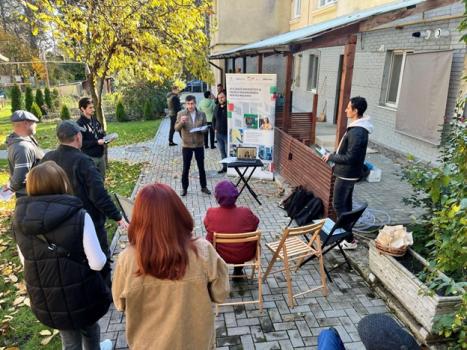
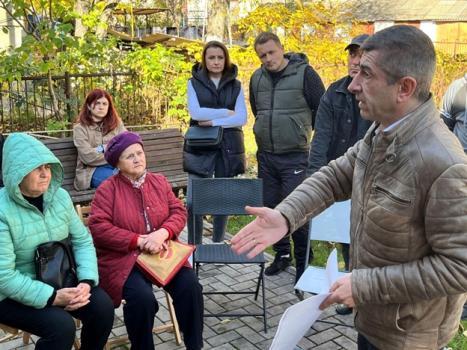


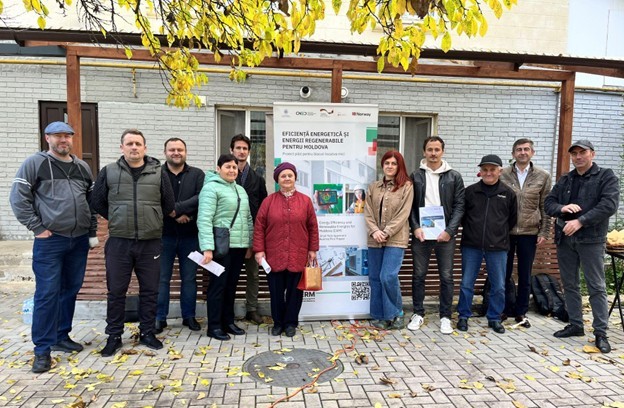
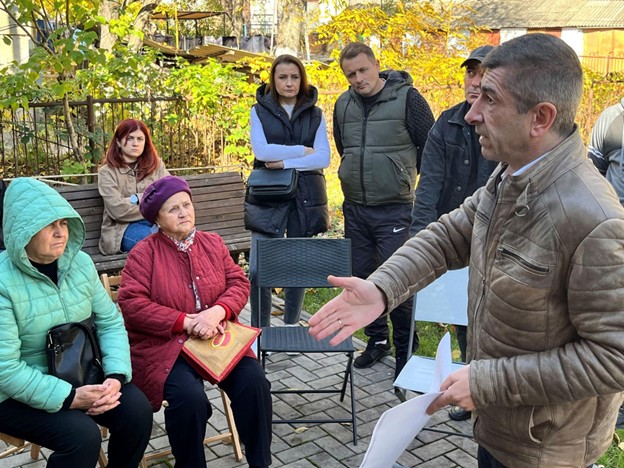
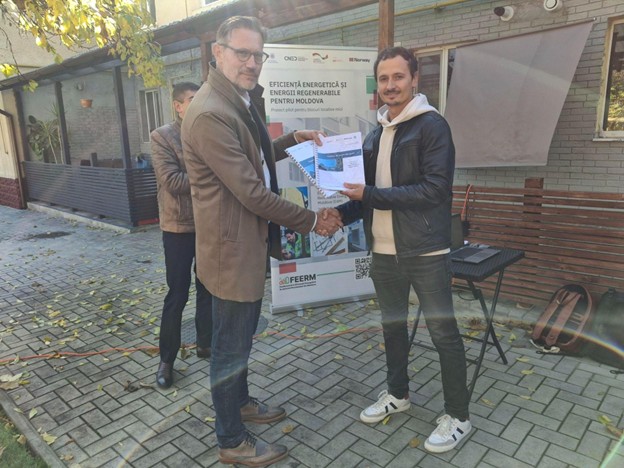
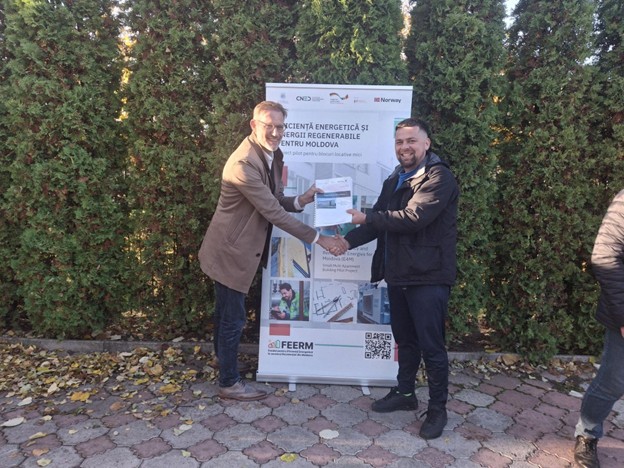
03 November 2025, Chișinău - Homeowners’ Associations (APC) of 15 small multi apartment buildings that were selected earlier this year to receive a free energy audit have now received these elaborated reports for their buildings. The Energy Audits assess the current energy performance of their buildings and propose suitable refurbishment measures to improve the energy efficiency in order to lower their energy bills. 10 out of the 15 buildings with more than 120 apartments have now been selected for the next stage, the so-called Technical Design Documentation that the 10 APC now receive free of costs as part of the Norwegian funded pilot project for small multi apartment buildings under the Energy Efficiency and Renewable Energy for Moldova Programme (E4M).
Recommended measures from the Energy Auditors will soon be voted upon in General Meetings of the APC. Based upon their decision, technical experts will then evaluate the 10 buildings further and architects and engineers will prepare the Technical Design Documentation as a prerequisite to apply for funding from the Moldovan Residential Energy Efficiency Fund (MREEF) for construction works in the next stage.
Proposed measures are e.g. thermal insulation of walls, roofs, replacement of old inefficient windows with new efficient ones but also Photovoltaic panels on the roof as renewable energy. Once implemented these measures will help to reduce energy losses significantly which will eventually lower the residents’ utility bills and at the same time, lead to an improved property value.
The 10 selected buildings, with more than 120 apartments altogether, all built before 2005, and managed by APC are located in Chișinău, Bălți, Edineț, Hîncești, Cahul, and Ceadîr-Lunga.
The energy audits identified the measures with the highest potential for energy savings and cost efficiency for each building are in line with the methodology of the Moldovan Residential Energy Efficiency Fund (MREEF). The costs for both the audits and the technical design projects were fully covered through the E4M pilot project.
“Through this pilot project, we are testing a practical model for the energy refurbishment of small multi apartment buildings, which can serve as an example for future investment programmes. Our goal is to identify technical solutions and financial mechanisms tailored to buildings with a small number of apartments, enabling them to access renovation funds,” said Ion Muntean, Director of the National Centre for Sustainable Energy (CNED).
The 10 buildings selected for the next Technical Design Documentation stage were chosen based on several criteria, including replication potential, structural integrity, legal compliance, and the level of involvement of the APC. In addition, the selection process also considered the potential of the buildings to achieve maximum energy savings as a result of the proposed measures. The Technical Design Documentation for these pilot buildings is an essential step for subsequent financing through MREEF for construction works in the next stage.
“The interest of the homeowners’ associations in the proposed measures of their energy audits show their commitment towards reducing energy consumption and modernizing their buildings. The active participation of residents and their APC are decisive factors for the success of such projects. The pilots reveal the need for more support of APC for knowledge on energy efficiency in buildings and its impact, but also to understand and access attractive funding programmes for energy refurbishment like MREEF. The experiences from these pilots are extremely important so that they can be scaled nationwide in the coming years,” says Christian Borchard, GIZ Implementation Manager of the E4M component financed by Norway.
This stage marks an important milestone in strengthening a functional model for the energy refurbishment of small multi apartment buildings, which will serve as a basis for future national programmes dedicated to improving energy efficiency in the residential sector.
The MREEF programme is developed by the Government of the Republic of Moldova with the financial support of the European Union, implemented by the National Centre for Sustainable Energy and the Ministry of Energy. It is supported by the project E4M that is implemented by GIZ together with the Government of the Republic of Moldova, funded by Germany and co-financed by the European Union, Norway and Denmark.The activities of the small multi apartment building pilots are funded by Norway.
- 694 reads
- RO
Images